Top 20 UK Online Casinos 2026 & All British Lands-Based Casinos
Such measures balance sector growth with social responsibility, ensuring a sustainable industry future. He advocates modernizing operations by integrating sports betting and expanding electronic payments. Industry leaders and regulators have laid a roadmap for the UK casino sector’s future, emphasizing pivotal changes.
Behavioural barriers and friction should only be used to keep customers safe rather than impede them from taking decisions. This is consistent with the Commission’s rules for clear and accessible terms and conditions and the regulator will monitor operators’ compliance in this area. It is important that customers are made aware of the circumstances in which such restrictions may be applied and provided with explanations where it does occur. Tools like deposit limits can help people gamble within their means, but may be underused and not widely optimised for harm prevention. We will also consult on measures to give greater protections for 18 to 24-year-olds who the evidence suggests may be a particularly vulnerable cohort.

The government proposes that gaming machines accepting direct debit payments must allow customers to set time and monetary thresholds. The majority of responses stated that there should be the ability for customers to set voluntary limits on gaming machines accepting direct cashless payments. Having considered the consultation objectives, stakeholder responses and supporting evidence, we are proposing to lift the prohibition on direct debit card payments on gaming machines subject to the introduction of the player protection measures detailed within this chapter. The government will introduce regulations through a draft affirmative statutory instrument to ensure that, for every 2 Category B gaming machines sited in AGC or bingo premises, at least one Category C or D gaming machine of a similar size is also sited on the premises. This will allow for targeted supportive measures to be taken for the sector, potentially including a more liberalised ratio of Category B gaming machines in these venues.
For bingo halls, based on a sample of approximately 60 percent of the market, it is estimated that the number of Category C and D cabinets in these venues will decrease by over 1,800. We received projections on the impacts of 50/50 for industry under the proposal outlined in Option 1. If it appears evident that the ‘available for use’ guidance is not working as intended following changes to the current regulatory framework, we will consider bringing forward secondary legislation to more directly deliver the intended machine mix. For example, numbers provided by the Bingo Association show that the number of bingo premises that offer mainstage bingo declined from 335 at the end of 2018 to 272 in March 2023. Challenges caused by rising energy costs are in addition to the longer-term commercial challenges faced by industry, particularly following the COVID-19 pandemic.
The UK Gambling Commission’s mandate is to regulate gambling and oversee gaming law in Wales, Scotland, and England. Whether you gamble online or at a live casino, you can count on the UK Gambling Commission to keep you safe. Further information on these changes will be published as it becomes available on the Gambling Commission’s website and communicated to operators and licensing authorities.
While some offshore-licensed casinos operate legitimately, playing at a site without a UKGC licence exposes you to significant risks. Some online casinos operate under offshore licences from jurisdictions such as Curaçao, Malta (for non-UK markets), Costa Rica, or Anjouan. From June 2026, all UKGC-licensed online gambling operators must require new customers to set a deposit limit before they can make their first deposit. That licensing isn’t just a badge it’s the foundation for player protections around fairness, complaints handling, identity checks, safer gambling tools, and how operators must treat customers. Online casinos often offer live dealer games and online sportsbooks that are UK friendly almost always provide in-play betting options, all of which is entirely legal in England. Gambling forms include but are not limited to the following venues online casinos with slots, table games, etc., online poker, online sports betting, lottery-style games, and online Bingo.
Football Index was a novel betting platform that allowed customers to place bets on the future performance of footballers. In recent years, some products have started to blur the boundaries between gambling and investments or operators have marketed their platforms in such a way. Surrender of a licence means that an operator whose actions were causing concern is no longer able to offer services to customers in Great Britain, which may address the principal concern. In particular, it is concerned that licence holders are able to take action that can hinder or frustrate an investigation, including surrendering their licence during the course of the investigation.
How to Verify a Casino’s UKGC Licence
Any remote gambling operators that kept all their equipment, facilities, etc. offshore were exempt from applying for a licence. Before this act, remote operators were only required to obtain an English licence if they had at least one piece of remote gambling equipment located within UK borders. Residents can access multiple domestic and offshore entities for casino gambling, poker and sports betting.
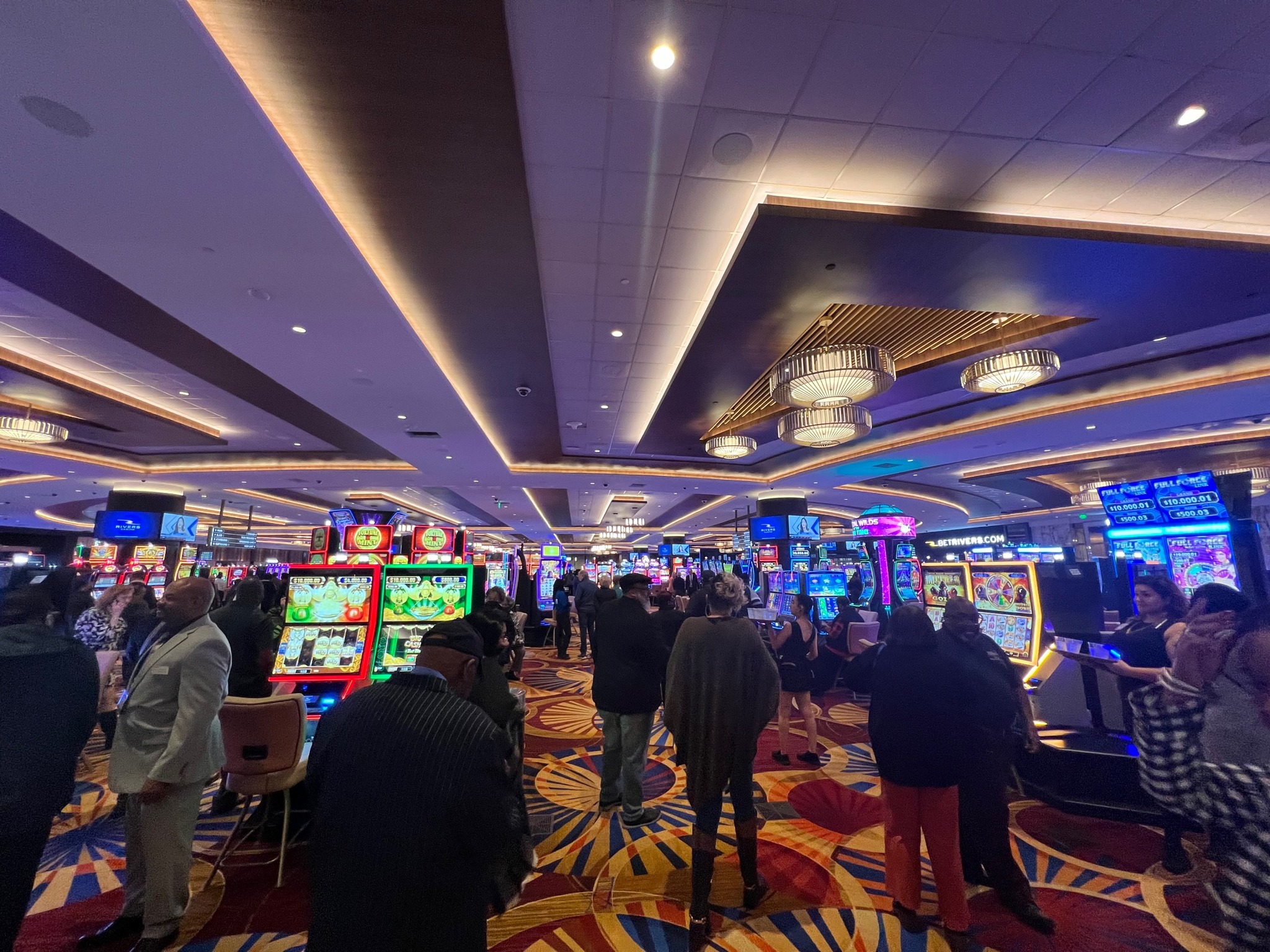
However, it is our intention to apply a fixed maximum of 80 gaming machines per physical location. The government proposes that a new regime will apply to 1968 Act casinos that seek to increase their gaming machine entitlement. We also acknowledge concerns about an increased availability of machines potentially leading to greater opportunities for gambling-related harm. Over half of respondents who indicated an intention to move onto the new regime stated they would look to take up the maximum entitlement of 80 gaming machines in at least some of their venues (57%).
Licensing: what a legal UK operator must hold
This would mean that an operator licensed overseas could face regulatory action in that jurisdiction for operating without a licence in Britain. In particular, they are increasingly targeted at people who have self-excluded via GAMSTOP and therefore are unable to gamble with licensed operators. The enhanced approach to monitoring operators will provide it with a comprehensive view of the operators that are and are not complying with the rules in a timely manner. It will conduct a review of the status of customer funds protection across the remote industry to help inform consideration of whether further strengthening of requirements is necessary. As part of the Commission’s Review of Online Gambling (2018), a package of work was undertaken to assess the risks and options around customer funds. Licensees are required by the Commission to provide information to customers about whether customer funds are protected in the event of insolvency, the level of such protection and the method by which this is achieved.
This information is available in the casino’s terms and conditions and on the UKGC register. UKGC-licensed operators must protect player funds so that, in the event of insolvency, your balance can be returned to you. Understanding these protections helps you appreciate why playing at a UKGC-licensed casino is so important.
The vast majority of responses came from industry representatives and local authorities, however, we also received a small number of responses from academics and individuals with lived experience of gambling-related harm. The evidence generated was diverse and was indicative of the varied positions of stakeholders, primarily arcade and bingo operators and licensing authorities. In making this recommendation we recognise the potential advantages that 1968 Act casinos may have over Small 2005 Act casinos that elect to move to the new regime, in terms of Schedule 9 payments and the portability of licences. This will help ensure that operators are operating within the regulations and enable licensing authorities to undertake appropriate licence checks.
They also said that there should not be a maximum transaction limit on Category D crane grab machines. For example, a person leaving a gaming machine to go to an ATM will be required to enter their PIN. It was also raised that these machines can be converted to adapt a card reader for contactless payment, but adding a chip and pin device for every transaction in most cases would either not be technically feasible or cost effective. Respondents from the pub sector also raised issues with verification for each transaction on Category D crane grab machines.
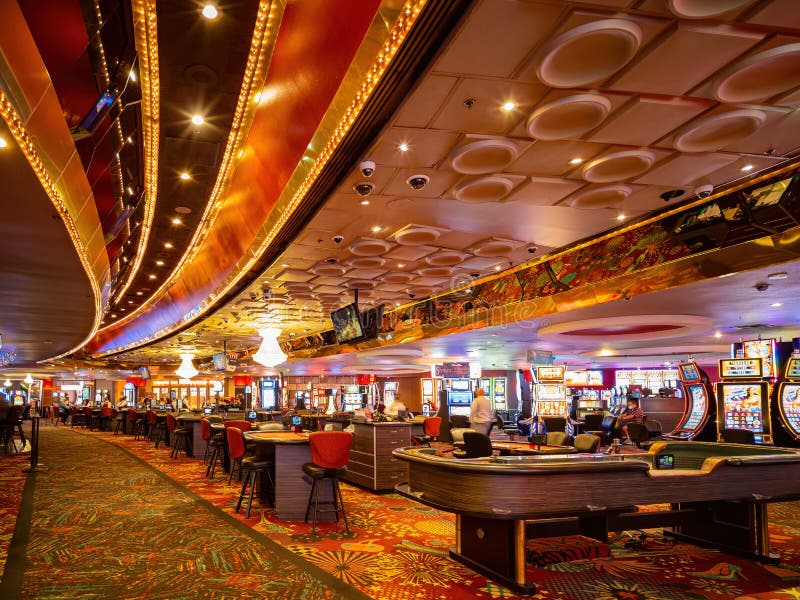
As the premier gambling law, it dictates the protocols for casinos, poker, sports betting, pools, lottery betting, etc. We have also considered a broad range of academic and other literature on gambling harm and gambling harm prevention, including material produced in other jurisdictions, and publications since the call for evidence period. In addition to the direct impact on the levy of a reduction in betting industry GGY, we have also assumed that there may be an impact on racing’s income from gambling sponsorship and media rights, as operators’ income is reduced. The horserace betting levy is paid by bookmakers based on 10% of GGY from customers in Great Britain, betting on races in Great Britain, whether online or in betting shops. A number of submissions to our call for evidence highlighted the relationship between horse racing and gambling, including the importance of the horserace betting levy for maintaining the sport.
In order to offer this, operators will be required to hold relevant operating licences from the Gambling Commission. The white paper set out the intention for all casinos to be able to include a sportsbook as part of their product offering. A further advantage would be allowing operators to create an experience which competes with international gaming jurisdictions, and elevates the reputation of Britain as a gaming destination for international gaming tourists. For example, it may lead to increased popularity/GGY of casinos which could have knock-on benefits to surrounding businesses or other sectors which are closely interlinked with it, for example the food and beverage or advertising sectors.
- As explored in the introduction, PHE evidence review combined Health Survey (England) data in 2012, 2015, 2016 and 2018, and highlights higher levels of problem gambling amongst young adults when compared to older ages, according to the Problem Gambling Severity Index (PGSI).
- While GamCare’s Industry Code for the Display of Safer Gambling Information has improved standards for the display of information on operators’ own websites, there is not an equivalent standard in place for the display of messaging in advertising.
- A number of premises, particularly those located in motorway service stations, chose to retain their existing entitlements.
- Simon Stevens, then-chief executive of the NHS, said in 2013 that he “disapproved of eight betting firms” because “they do not pay towards NHS costs in countering gambling addiction.”
- Generally, gambling licences are either “remote” or “non-remote”.
The Gambling Commission issues a code of practice on the provision of gaming machines in alcohol-licensed premises. There is no upper limit placed on the number of gaming machines allowed, but if a venue wants to install more than two machines, they must apply to the licensing authority to do so (as set out in section 283 of, and Schedule 13 to, the Gambling Act 2005) and pay the prescribed fee. In England and Wales, alcohol licensed premises currently have an automatic entitlement to up to two Category C or D gaming machines. Following a consultation on proposals for changes to Gaming Machines and Social Responsibility Measures, the maximum stake on B2 machines (Fixed Odds Betting Terminals) was reduced from £100 to £2 in April 2019, to reduce the risk of gambling-related harm. These include a variety of venues in practice, including ‘high-end’ casinos which cater for high-net worth (mainly international) clients and have a business model based primarily on live gaming tables. The 2005 Act casinos are also subject to minimum overall and non-gaming space requirements which were introduced alongside a ratio of machines to tables aimed at ensuring a balanced offer of different products.
From the early days of underground gambling dens to the modern era of licensed casinos, the UK has witnessed significant changes in the way casinos are regulated and operated. The ban took effect on 14 April 2020 and applies to nearly all online and land-based gambling establishments. Another measure aimed primarily at online operators is the ban on gambling with credit cards. All online casinos must participate in the multi-operator self-exclusion scheme GAMSTOP, the UKGC announced in January 2020.
This includes all online casinos, both UK-based and offshore, that wish to offer their services to patrons in England, Wales, or Scotland. When it comes to gaming machines, however, the law sets no minimum age for Category D machines. Regional casinos are permitted to have up to 1,250 machines from Categories A, B, C, or D. Small casinos may offer up to 80 machines from Categories B, C, or D, whereas large casinos can host a maximum of 150 machines from those categories.

In this new regulatory era, non gamestop casino success won’t be measured purely by revenue per machine, but by how effectively an operator manages risk, safeguards players, and shows credible, data-backed compliance. For the first time, staff training on gambling harm is a statutory requirement, not just a licensing expectation. By embedding self-regulation tools directly into the gaming experience, these requirements mirror protections familiar to online gambling—and levels the regulatory playing field.
In addition to identifying a lawful basis for processing, operators will need to comply with other aspects of GDPR, such as any applicable requirements for transparency with data subjects, and safeguarding of personal data. If the decision making is based on the data subject’s explicit consent3. GDPR gives data subjects certain qualified rights in relation to their data, such as the “right to erasure” and “the right to prevent decisions being made solely based on the automated processing of data”.
Millions of people enjoy gambling every year – whether that be putting money on a horse, playing at a casino, or a bet on the football – and much of this is now done through smartphones. All casinos we recommend are UKGC-licensed and provide deposit limits, reality checks, cool-off periods and self-exclusion. All casino gambling is a negative-expectation activity — treat it as entertainment, not income. Our checks focus on UKGC licensing, bonus terms, payout information, payment options, game libraries, mobile experience and responsible gambling tools. Cross-operator data-sharing so harm indicators follow the player.